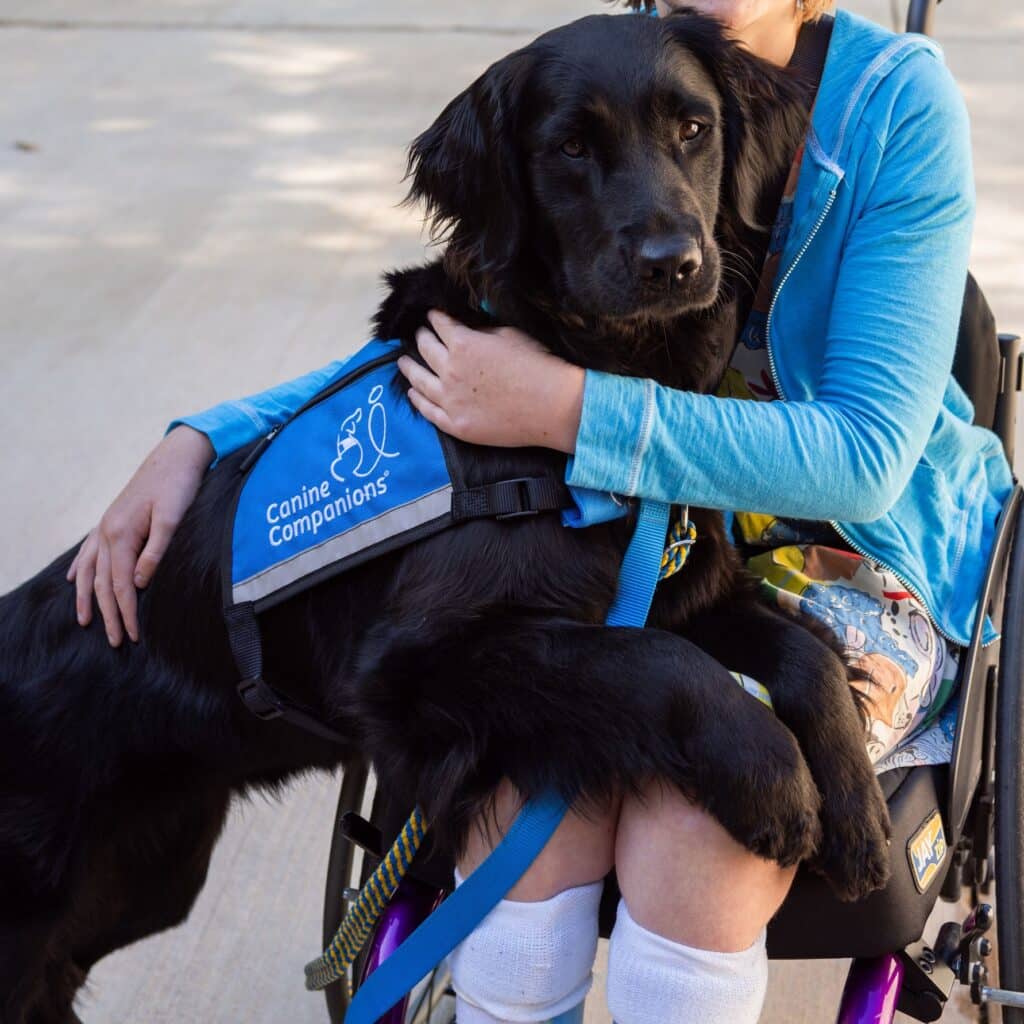
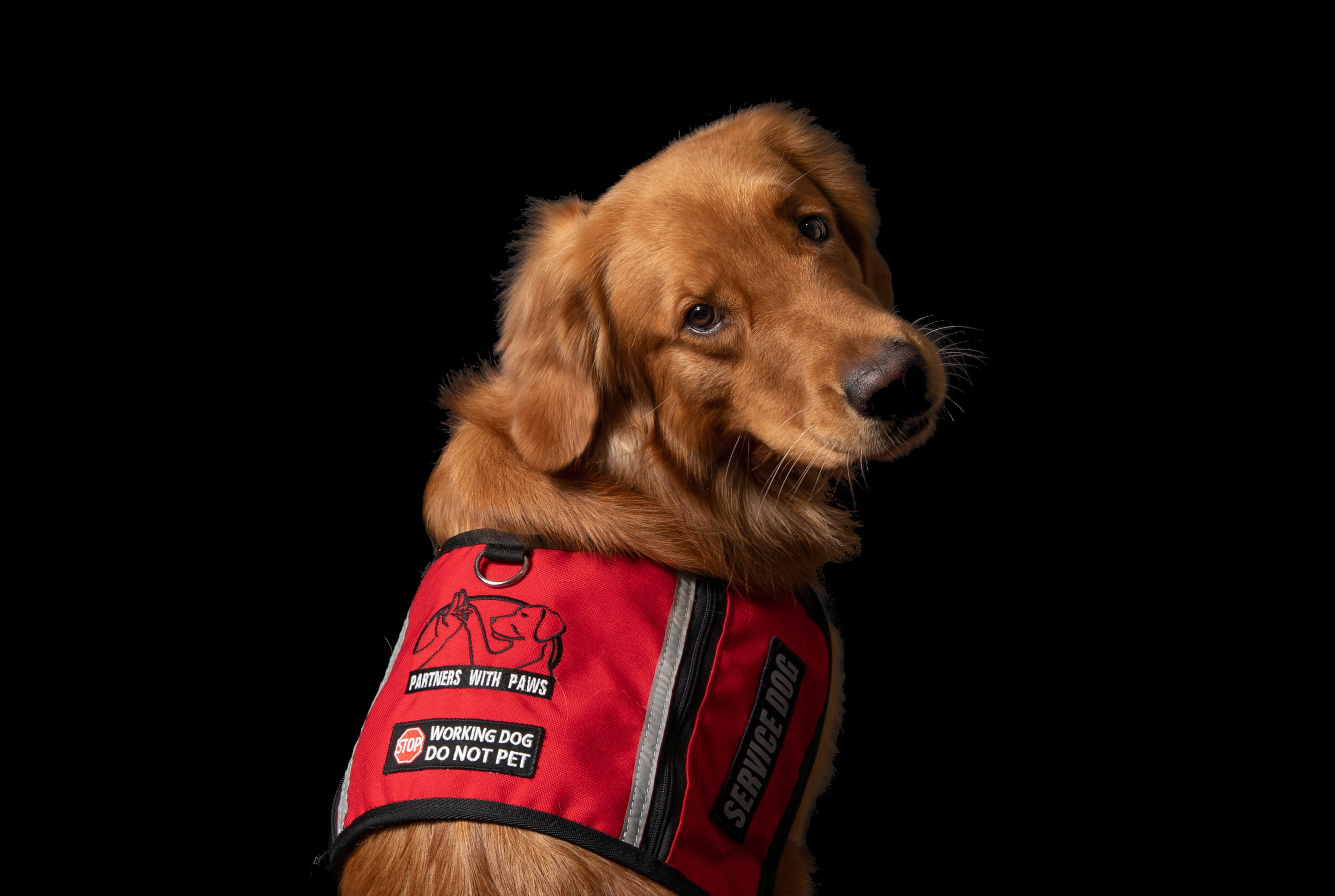
Supportive dogs are separated by emotional support dogs (ESDs) and psychiatric service dogs (PSDs).
ESDs provide comfort for mental health conditions with a prescription from a mental health professional, while PSDs are extensively trained to perform specific tasks to help manage a person's disability. Unlike service dogs, emotional support dogs do not have public access rights and are primarily considered companion animals.
Emotional Support Dogs (ESDs)
Purpose: To provide comfort and emotional stability for individuals with mental or emotional disorders like anxiety, depression, or PTSD.
Training: Not required to perform specific tasks; their primary function is to provide companionship and unconditional love.
Requirements: A letter from a licensed mental health professional is needed to verify the need for the dog.
Legal Status: Protected under federal law by the Fair Housing Amendments Act and the Air Carrier Access Act in the US, which may grant them some accommodations for housing and travel.

Psychiatric Service Dogs (PSDs)
Purpose: To provide assistance for individuals with psychiatric disabilities by performing specific tasks.
Training: Undergo extensive, specialized training to perform tasks such as sensing a change in a person's mood, providing a physical barrier in crowds, or helping with symptoms of a panic attack.
Legal Status: Considered working animals, not pets, under the Americans with Disabilities Act (ADA). They are legally allowed in public places, even where pets are not.